Choosing hosting for your non-profit: watch out for these costly mistakes

Laura Joe - de Bruine
Good hosting is important for a good website. Hosting is comparable to the ground you build a house on. It needs to be big enough and safe. Especially as a non-profit or other social organisation. But what should you look out for? I work with many non-profits that choose different hosting providers, each with their own pros and cons. We recently switched hosting providers ourselves due to recent developments. In this blog I explain 5 points to look out for, so your website stays safe, fast and reachable, and you avoid costly mistakes.
1. Cheap can be expensive
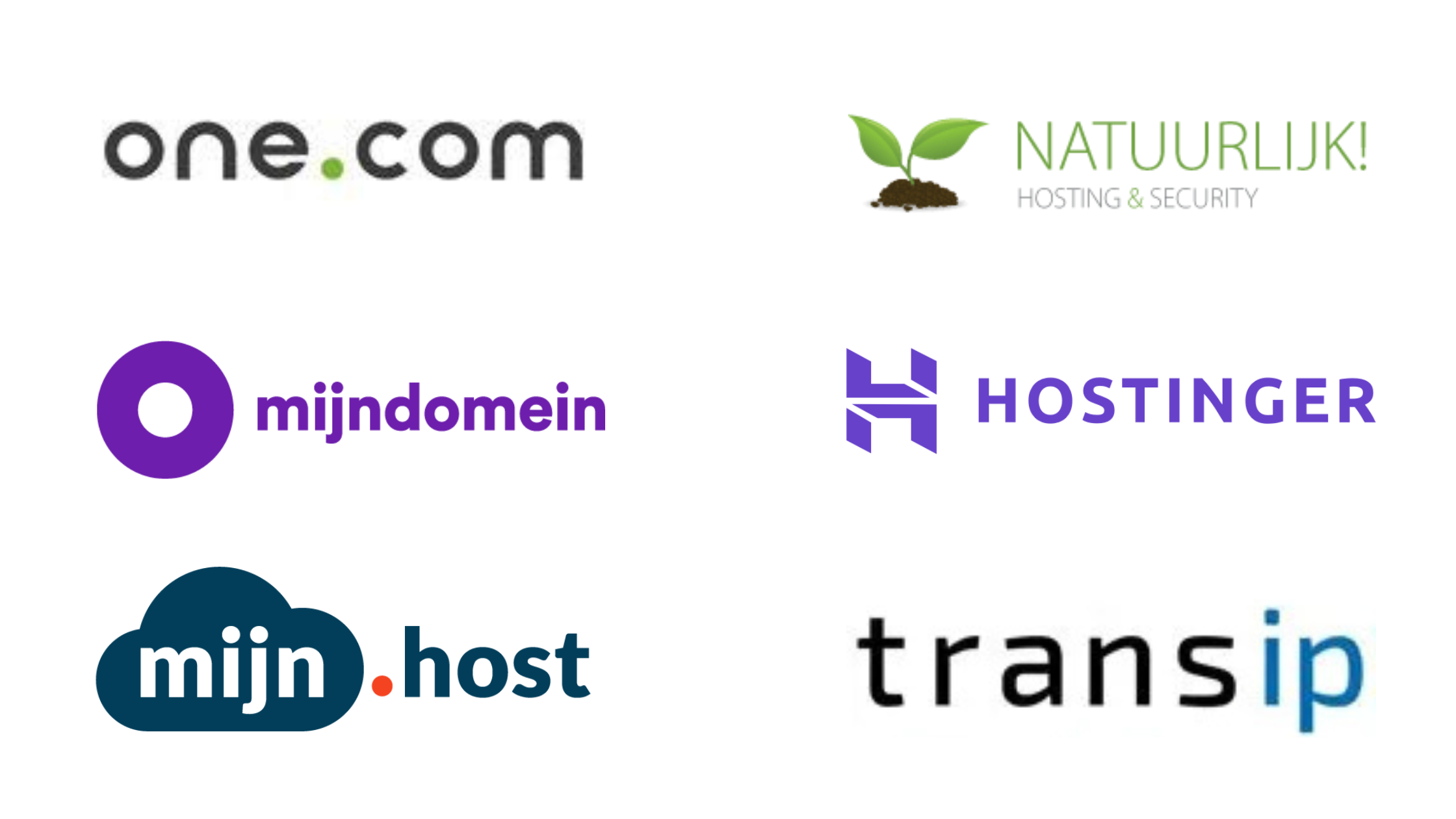
Many non-profits want things as cheap as possible. I understand budgets are limited, especially since I set up a foundation myself too. But what looks cheap at first glance often turns out not to be such a bargain afterwards. From that perspective, I started my business with Hostinger. It looked very good value at first sight. Good for the start of our company. And because it was in English, it was also accessible for my team of African professionals. But it soon turned out you pay quite a lot for email, and after the initial discount period, you pay prices comparable to other hosting providers. A clever marketing trick, in other words.
I also work with clients who use or have used Mijn Domein, One.com, Mijn Host and Strato. If your website is purely informational and small, an affordable hosting provider may be sufficient. But if your website is important for recruiting donors, volunteers and/or programme participants, more reliability matters. My experience is that cheap hosting like Hostinger or Strato leads to unnecessary downtime and unsafe situations, such as hacks, phishing and malware. It's also important to look at speed, security, backups and support when there's a problem. You pay a bit more for that, but it also ensures your website comes across as trustworthy and helps you recruit donors through it.
2. Pay attention to good security
Non-profits sometimes think hackers mainly target large companies. Unfortunately, that's not true. Smaller websites are often more vulnerable, precisely because they're less well secured or maintained. A good hosting provider helps you better protect your website. Think of an SSL certificate, malware detection, a firewall, automatic updates or extra security options. Also ask what happens if your website gets hacked. Does the hosting provider help clean it up? Are there costs involved? And how quickly do they respond? For an organisation working with donors, participants and/or sensitive information, security isn't a luxury but a basic requirement.
3. Check whether there are good backups
When working on a website, something can always go wrong. That could be because you accidentally delete something, the website gets infected with malware, or an update causes an error. How great is it then to be able to restore a backup? Pay attention to how often backups are made. Daily is usually better than weekly. Also check how long backups are kept and whether you can easily have them restored. A backup is only valuable if you can actually use it when you need it.
4. Look at the quality of support
If your website is offline, a form doesn't work, or you're having email problems, you want to be helped quickly and preferably not wait days. Especially if you're not very technical yourself. That's why support is an important factor in choosing the right hosting. Check how you can get in touch. Is it only via tickets or email, like with Mijn Host, Mijn Domein or TransIP? Is there an AI chatbot? Like with Hostinger or One.com? How easy is it to reach a real person? My experience is that this is quite difficult with Hostinger. I also really like working with a Dutch hosting provider, and chose Natuurlijk Hosting myself. They're Dutch, affordable, offer high quality and are quick to reach for support. In this era of tension between the EU and the US, I'm convinced it's best to keep things as local as possible.
5. Think ahead
Choose hosting that's not only good for today, but also for a few years from now. Perhaps later you'll want to add more videos and photos to your website, add a more extensive donation module, or add an online learning environment or webshop. So check with different hosting providers whether you can easily scale up. Is your hosting package also suitable for the platform you're building or have built your website with? Such as WordPress?
Conclusion
For most non-profits I speak to, hosting has more influence on your online visibility than they themselves think. So don't just pay attention to price — check for good security, verify there are good backups, look at the quality of support, and think ahead. Your website is your organisation's digital home, and for many people the first impression they get. Make sure it stands firm!
Could you use help with your hosting or website?
At Your Digital Home I help non-profits and social organisations with websites that are safe, clear and reliable. I'm happy to think along with you about hosting, maintenance and online visibility.
Would it help if I thought along with you? Then schedule an introductory call here right away.